Jaw Pain
Jaw Pain or Clicking Jaw?
We’ll Help You Smile—and Chew—Without Pain.
Jaw pain can feel frustrating: aching near the ear, headaches, clicking or popping when you open wide, or even the jaw getting “stuck.” At Realtooth, we focus on gentle, accurate diagnosis and personalised, step-by-step care so you feel better fast—and stay better for the long term.
What Exactly Is Jaw Pain (TMJ/TMD)?
Your jaw joint (the temporomandibular joint or TMJ) connects your jaw to your skull. When the joint, the muscles, or the bite are not in harmony, it can cause TMD—temporomandibular disorders, which show up as pain, stiffness, noise, or difficulty chewing.
Common symptoms (patient-friendly checklist):
- You feel pain near the ear, temple, or cheek when you chew, speak, or yawn.
- Your jaw clicks, pops, or grinds, and sometimes feels like it shifts to one side.
- You have morning jaw tightness or tooth tenderness from night-time clenching.
- You get headaches, neck/shoulder pain, or ear fullness without infection.
- Your mouth opening is limited or the jaw sometimes “locks.”
Why Am I Having Jaw Pain?
Jaw pain has different causes and the right treatment depends on the right diagnosis. We commonly see:
- TMJ/Muscle Imbalance : Your joint disc or jaw muscles are strained, often from clenching, posture, or previous dental issues.
- Bruxism (Clenching/Grinding) : Stress and sleep patterns can cause night-time grinding that overloads the joint and teeth.
- Bite Problems or Crooked Teeth : An uneven bite can strain the joint and muscles over time.
- Wisdom Tooth or Dental Infection : Impacted wisdom teeth or a deep cavity can refer pain to the jaw and ear.
- Arthritis or Joint Wear : Age-related changes or autoimmune conditions can inflame the TMJ.
- Sinus or Ear Issues : Sinusitis or ear problems may mimic jaw pain and need coordinated care.
- Oral Submucous Fibrosis (chewing tobacco/pan masala) : Restricted mouth opening can cause persistent jaw discomfort.
- Injury/Trauma : A fall, a sports injury, or even wide opening during a long dental visit can trigger symptoms.
When Should I See a Dentist Urgently?
How Realtooth Helps
Same-Day Relief
We begin with pain-control strategies that are gentle and effective, so you leave more comfortable from visit one.
Digital Diagnosis
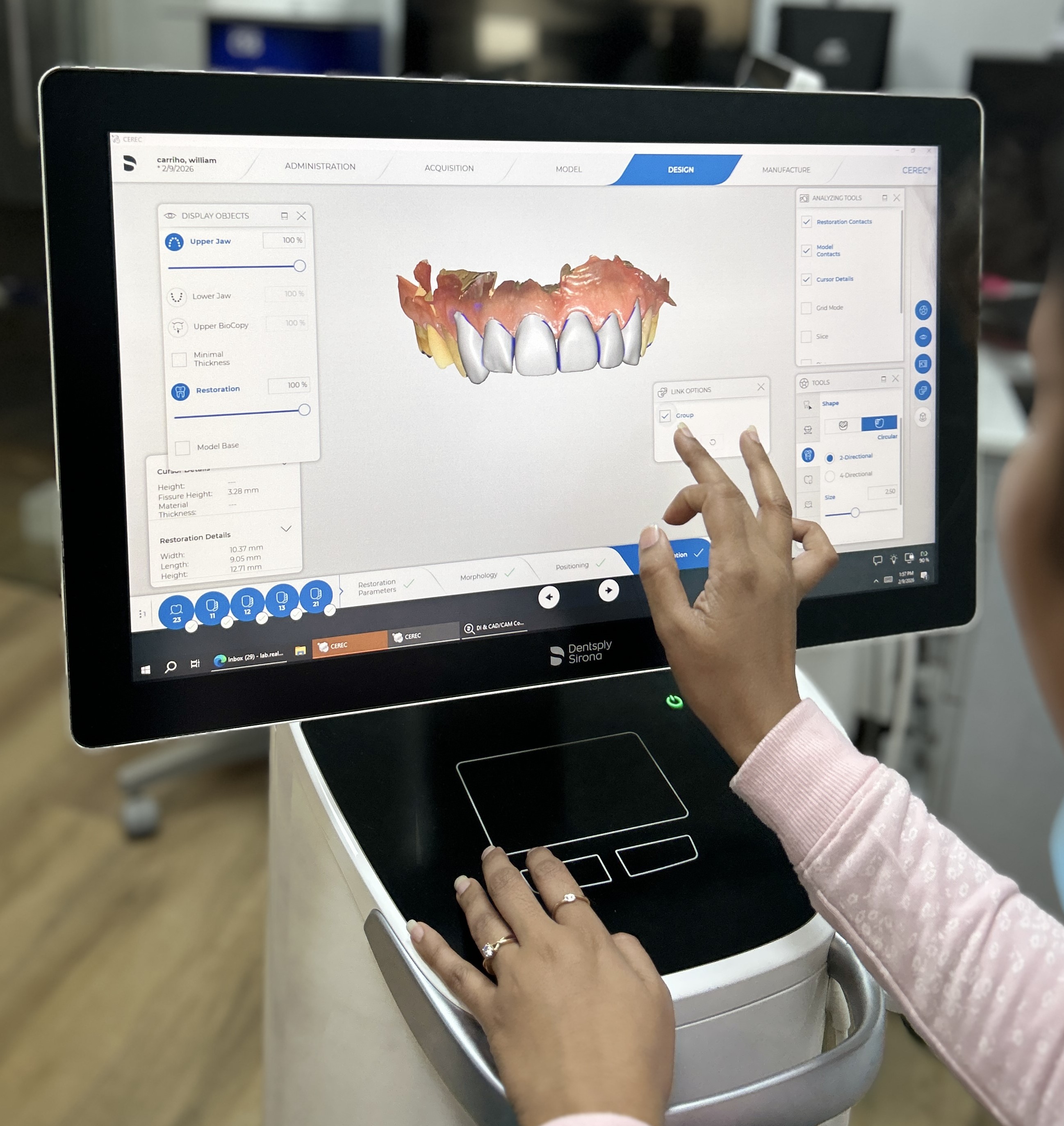
We use CBCT/OPG imaging, 3D intraoral scans, and computerised bite analysis tools to map your jaw joints, bite contacts, and tooth wear with precision.
Root-Cause Planning
We explain your findings in simple language and discuss options—from conservative care to advanced interventions—so you can choose confidently.
Personalised Treatment
You get a plan tailored to your cause (not a one-size-fits-all splint).
Follow-up & Prevention
We track progress, fine-tune the bite/splint, and reinforce habits so results last.
Treatment Options We Offer
We follow a conservative-first, ethical, and stepwise approach:
A. Immediate & Conservative Care
- Jaw Rest & Soft Diet: Reduce strain by avoiding hard/chewy foods and big yawns.
- Thermal Therapy & Gentle Massage: Guided warm/cold applications and relaxation techniques.
- Medication (as prescribed): Short courses of anti-inflammatories or muscle relaxants.
- Lifestyle Coaching: Stress-reduction, posture corrections, and sleep hygiene.
B. Dental Interventions (Cause-Focused)
- Custom Night Guard / Splint Therapy: Precisely fitted splints to protect teeth and balance the joint.
- Bite Correction: Adjust restorations or plan aligner-based orthodontics if needed.
- Additive Corrections: Composite/bonding, onlays, or new restorations for stability.
- Wisdom Tooth Management: Treat pericoronitis or remove impacted teeth.
- Infection Control: Root canal therapy or gum treatment when required.
C. Supportive Therapies
- Physiotherapy Collaboration: Targeted jaw exercises, mobilisation, and TENS/ultrasound.
- Habit & Stress Management: Simple cues like “teeth apart, lips together” and relaxation routines.
D. Advanced & Multidisciplinary Options (Case-Selective)
- TMJ Injections / Arthrocentesis: Minimally invasive procedures with oral & maxillofacial specialists.
- Botox for Jaw Tension (if indicated): Precisely placed doses to reduce overactive muscle force. How it helps: lowers clenching, eases pain, protects teeth; does not stop normal chewing.
- Medical Referrals: Co-manage with ENT/physicians for arthritis, sinus, or ear-related issues.
Note: Not all options are suitable for every patient; an in-person assessment is recommended.
What Results Can I Expect?
Most patients experience noticeable relief in 2–6 weeks with conservative therapy and splints when they follow the plan. Complex bite or joint cases may need longer, staged care. Our team reviews progress with you at each visit so you know exactly where you stand.
Why Realtooth for Jaw Pain?
Internationally Trained Dentists with a TMJ-aware, minimally invasive mindset.
Digital Diagnostics (CBCT + 3D Scans) that make the unseen visible and the plan crystal clear.
Multidisciplinary Care under one roof—prosthodontists, endodontists, orthodontists, oral surgeons, and physiotherapy partners.
Patient-First Ethos: Transparent options, no pressure, and step-by-step guidance you can trust.
Convenience: Six branches across Lucknow, extended hours, and same-day appointments.
Aftercare that Cares: Follow-ups, WhatsApp support, and preventive coaching so your results last.
Do’s & Don’ts
Do
- Eat soft foods and cut food into small pieces to reduce strain.
- Apply warm compresses as advised and perform gentle jaw stretches.
- Wear your night guard as instructed and bring it to reviews.
- Keep your teeth slightly apart during the day; let the jaw muscles relax.
Don’t
- Chew gum, nuts, ice, or very hard/chewy foods while healing.
- Clench during workouts; consider a breathing cue on lifts.
- Open excessively wide (big yawn/burger bites) in the acute phase.
- Skip follow-ups—fine-tuning is key to long-term success.
Your First Visit: What Happens?
- Listening & History: We map your pain patterns and triggers.
- Exam & Digital Records: We check muscles, joints, bite, and teeth; we take scans only if needed.
- Same-Day Relief: We start conservative care and lifestyle coaching immediately.
- Plan & Costs: We present clear options—from splints to bite correction—so you can decide comfortably.
- Follow-Up: We schedule a review (usually 2–3 weeks) to measure progress and refine care.
FAQs
Jaw pain is usually manageable with conservative care, but it should be evaluated because it can indicate bite issues, bruxism, infection, or joint disorders.
Not always. Splints help many patients, but your plan may instead focus on treating a wisdom tooth, correcting a bite, or addressing muscle triggers.
Aligners can help when jaw pain is linked to bite imbalance. We evaluate your bite digitally first and suggest aligners only when they benefit your case.
Surgery is rare. Most patients improve with conservative therapy, splints, and habit changes. Advanced procedures are reserved for specific joint problems.
Many patients feel improvement within a few weeks. Consistency with splint use, exercises, and dietary care speeds recovery.
Yes, TMJ/muscle pain can refer to the ear region. We rule out ear infection and treat the dental/TMJ cause if present.
A well-designed, reviewed-regularly guard should not harm your bite. We customise, review, and adjust your guard to keep it therapeutic and safe.
TMJ stands for Temporomandibular Joint—the joint that connects your jawbone to your skull. When this joint is strained or misaligned, it leads to pain, clicking, and muscle issues.
Yes—chronic grinding (bruxism) puts immense pressure on jaw joints and muscles. It’s one of the most common causes of jaw pain
Night guards are thinner, custom-fit devices designed to reduce muscle tension and prevent grinding—sports mouthguards are bulkier and designed to protect from injury.
Very rarely. Most TMJ/jaw pain issues can be treated with splints, exercises, Botox, and habit changes. Surgery is only considered for severe joint degeneration or trauma.
Sometimes, but if the underlying cause (like stress or bite misalignment) isn’t addressed, it may worsen over time or return.
Yes! If your jaw pain is related to bite problems, clear aligner treatment can realign teeth and reduce strain on your jaw joints.
Yes—mental stress is a major contributor to clenching and grinding. That’s why we also provide lifestyle and stress-reduction guidance.
Ready to Feel Better?
Book a same-day TMJ evaluation at your nearest Realtooth clinic in Lucknow. We’ll combine digital precision with personal care to get you back to pain-free chewing, talking, and smiling.
 Toothache
  Wisdom Teeth
 Clear Aligners