
Sensitive Teeth
One sip of cold water, and a sting like electricity
If that sounds familiar, you’re not alone. Patients tell us they avoid cold water, hesitate before that morning chai, or flinch while brushing. Tooth sensitivity can feel small to others—but it can change your whole day. At Realtooth, we listen first, diagnose gently, and treat the cause so you can sip, smile, and live normally again.
Do These Moments Feel Familiar?
- You test the water temperature with your tongue before drinking.
- Hot chai, cold coffee, or sweets give a sharp “zing.”
- A gust of AC air or winter breeze makes a tooth ache suddenly.
- You flinch when the brush touches certain spots.
- Whitening or a recent dental procedure made things more sensitive. If you nodded “yes,” sensitivity is real—and manageable.
Why Teeth Get Sensitive
Your tooth has a tough outer layer (enamel) and slightly softer root covering (cementum). When these wear down or when gums recede, tiny channels (tubules) open—cold, heat, sweet, or touch can reach the inner nerves quickly. Common reasons:
The Realtooth Way: Calm Now. Protect. Solve.
We’ll never rush you. First we understand your triggers, diet, stress, and habits. Then we use digital tools to pinpoint the cause and build a plan you’re comfortable with.
Calm Now (Immediate Relief)
- Professional fluoride/bioactive varnish to seal open tubules.
- Prescription desensitising gels & toothpaste (potassium nitrate, nano-hydroxyapatite).
- Quick laser desensitisation (when indicated) to reduce sensitivity comfortably.
Protect (Stop It Coming Back)
- Gentle brushing coaching + soft brush + correct technique.
- Diet tweaks around acids (order, timing, and rinsing tips).
- Bruxism care: custom night guard to prevent micro-cracks and wear.
- Bite balancing to remove stress points if needed.
Solve (Treat the Source)
- Tooth-coloured bonding/glass-ionomer for exposed roots & worn enamel.
- Resin infiltration/sealants for sensitive grooves.
- Gum therapy or grafting for recession (case-by-case).
- Onlays/Crowns for cracked or heavily worn teeth.
Your First Visit: What It’s Like
We've designed our orthodontic treatment process to be smooth and stress-free:
- Zero-judgement conversation about your pain moments and routines.
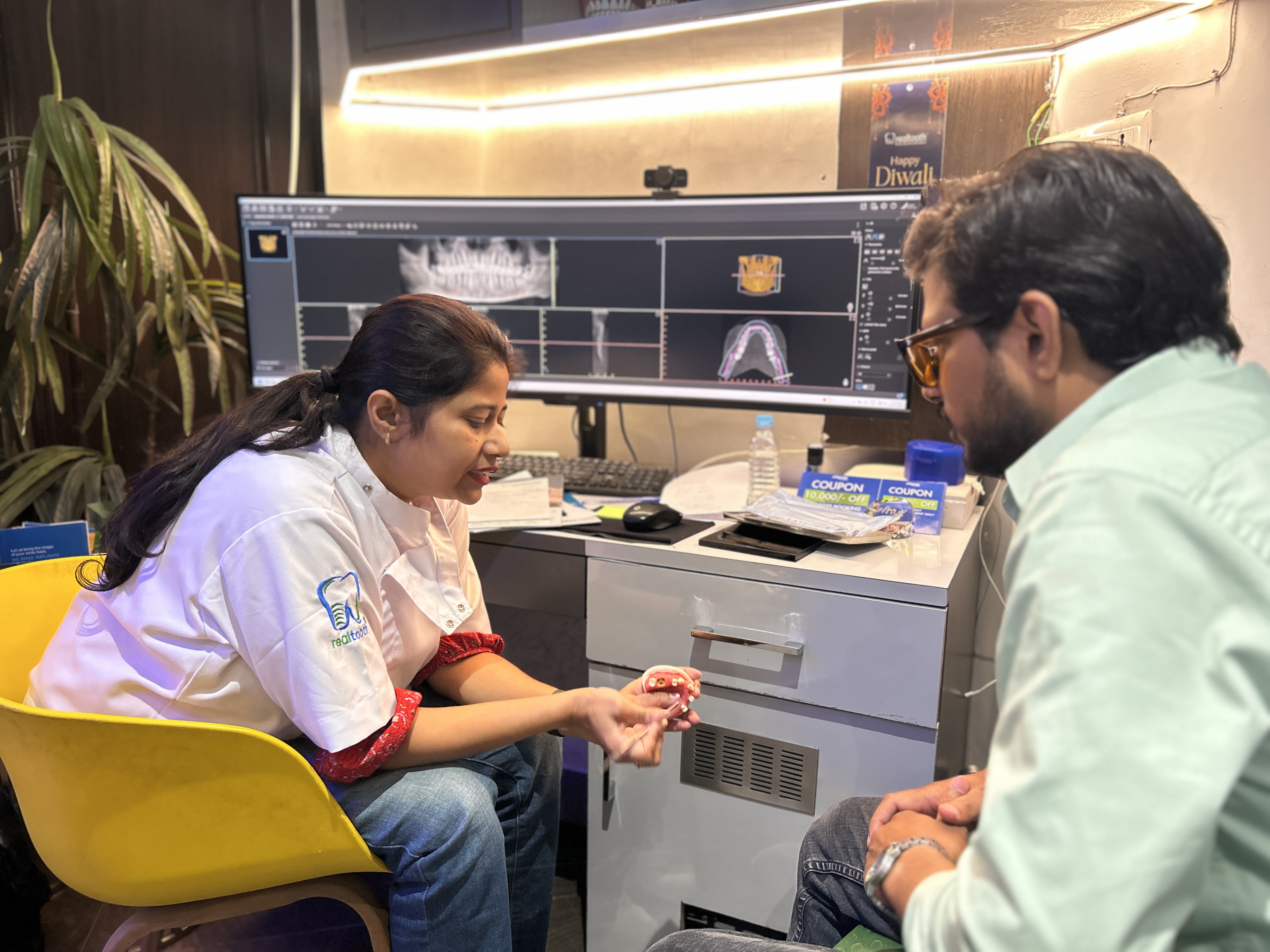
- Digital sensitivity mapping with intraoral camera/scanner; thermal/air tests localise the trigger tooth.
- Targeted X-rays (only if indicated) to rule out cracks/decay.
- Same-day soothing (varnish/laser/home kit) + a simple aftercare plan.
- Follow-up in 2–3 weeks to measure progress and decide if we need Step 2 or 3. Most patients feel clear improvement within days to a couple of weeks, depending on the cause and home-care routine.
A 7-Day “Feel-Better” Plan
Not always. We consider:
- Brush twice daily with desensitising toothpaste; spit—don’t rinse for 30 minutes.
- Use a soft brush, small circles, light pressure—no scrubbing.
- Keep acidic foods/drinks with meals; rinse with water right after.
- Wait 30 minutes to brush after anything acidic.
- If grinding/clenching, wear your night guard.
- Hydrate—dry mouth worsens sensitivity.
When to See Us Soon
Sensitivity that lasts beyond 72 hours or keeps worsening.
One tooth hurts with bite pressure (possible crack/cavity).
Visible gum recession or sudden temperature shocks.
Pain lingers for minutes, not seconds (possible nerve inflammation).
What Makes Realtooth Different
- 20+ years of trust | 6 centres in Lucknow for easy access & continuity.
- Internationally trained dentists with a global, ethical approach.
- Digital, precise diagnostics (scanners, magnification; CBCT only when needed).
- Comfort-first, patient-centric care—we explain, you decide.
- Long-term mindset: treat the cause, protect the smile, maintain the result.
FAQs
Usually not. Once we treat the cause and seal the tubules, most patients do very well.
Yes—twice daily for 2–4 weeks, and don’t rinse immediately after. But visit dentist if not get relieved in 48 hours.
Rarely. It’s only for nerve inflammation/infection. We start with conservative care.
Temporarily, yes. We pre-condition, adjust protocols, and add post-care so you’re comfortable.
Safe, quick, and usually comfortable when performed by trained clinicians.
Sometimes it does—but if it's persistent or worsening, it needs diagnosis. Ignoring it may lead to nerve exposure or deeper issues.
Look for ingredients like potassium nitrate or stannous fluoride. We’ll guide you on which product is best for your specific case.
Absolutely. Sensitivity is often the first sign of early decay—especially to sweets or pressure. A quick filling may prevent deeper issues.
We may use bonding or gum grafts to cover exposed roots. Recession is a common cause of long-term sensitivity.
What about costs?
Costs depend on the cause and solution. We discuss all options, timelines, and fees upfront—no surprises.
 Gum Health & Recession Treatment
 Toothache, Cracked Tooth & Restorations
 Teeth Grinding (Bruxism) & Night Guards