INTRODUCTION:
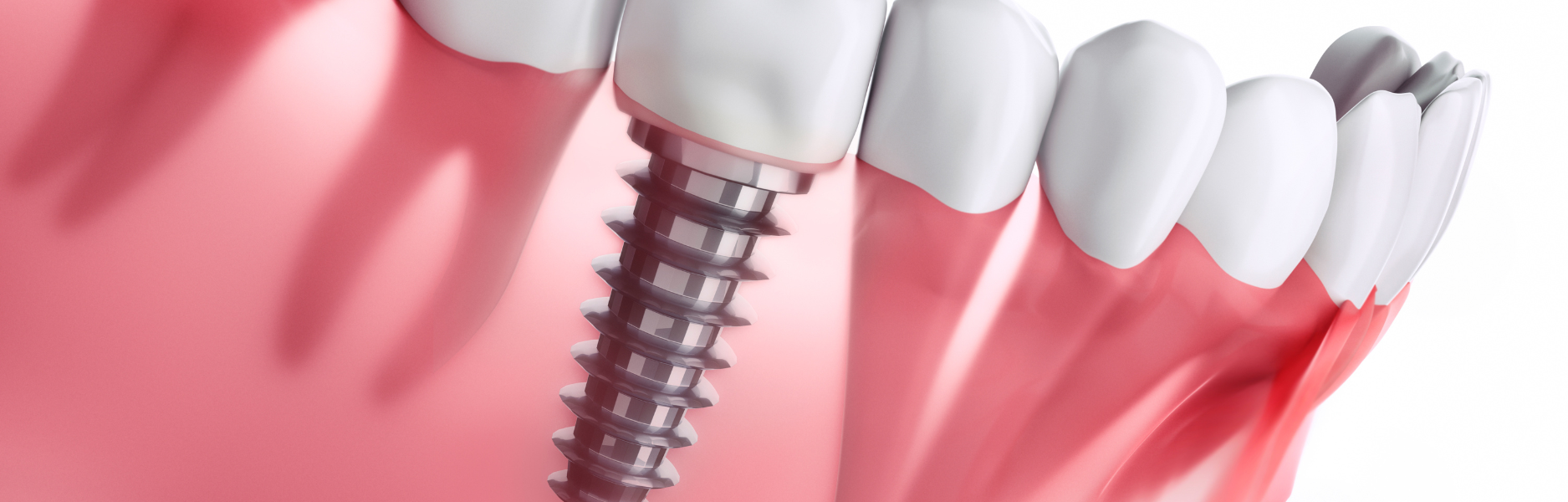
Tooth loss is very common and it can happen as a result of disease and trauma; therefore, the use of dental implants has revolutionized the field of dentistry by offering a long-lasting solution for replacement of missing teeth. However, understanding the costs and warranties associated with dental implants is crucial for informed decision-making. In this guide, we will delve into the factors influencing dental implant costs and explore the importance of warranties in ensuring a successful and worry-free implant journey.
Factors Influencing Dental Implant Costs
1.Implant Material:
The selection of implant material is a critical decision in determining both the aesthetic and functional outcomes of the dental implant process. Titanium implants have stood the test of time for their resilience, biocompatibility, durability and successful integration with the jawbone. On the other hand, zirconia implants, while gaining popularity for their natural look and feel, tend to be more expensive due to the advanced manufacturing processes and materials involved. The choice of the material also depends on the design; surface texture of the implant which can be rough, smooth or coated. Patient's must weigh the benefits against the costs when opting for a specific implant material.

Implant system with various implant design and surface texture
2. Implant Brand:
The dental implant market encompasses various brands, each with its own level of research, development, and reputation. Premium brands often come with a higher price tag, reflecting advanced technologies, superior materials, and extensive clinical trials. While this may elevate the upfront cost, the reliability and long-term success rates associated with reputable brands can justify the investment in the patient's oral health.
We at Realtooth dental clinic use premium brands like Straumann, Nobel Biocare, Ossteum, Ziemer and choosing a reputable brand can instill confidence in the longevity and success rates of the implant, making it a worthwhile investment.
3. Surgical Considerations:
The complexity of the implant procedure plays a significant role in cost determination and can impact the overall cost of the treatment. Some patients may require additional procedures such as bone grafting, sinus lifts, or extractions to ensure a solid foundation for the implant. While these supplementary procedures contribute to the overall success of the implant, they also contribute to the total cost of the treatment.
4. Dentist's Experience and Expertise:
The experience and skill of the implantologistand the team performing the implant procedure are crucial factors. While highly experienced professional who has performed a lot of dental implant surgery may charge higher fees, their expertise often results in smoother procedures, reduced complications, and increased success rates. Patients should view the dentist's expertise as an investment in the overall success and longevity of the implant.
5. Service factor:
Although dental implant surgery has a very predictable outcome and higher success rate, it is a complex medical treatment and requires good pre-operative and post-operative care. We at Realtooth dental clinic use advanced diagnostic aids like CBCT (3-D scan) for the pre-operative and post-operative assessment of individual case and also provide regular follow ups to monitor the ongoing health of the dental implant.
6. Geographic Location:
Dental care costs can vary based on geographic location and the associated cost of living. Urban areas or regions with a higher cost of living generally have higher dental implant prices. Patients should consider these regional variations when planning their budget for dental implant treatment.
Dental Implant Warranties
1. Standard Warranty Coverage:
Dental implant manufacturers typically offer warranties that cover the replacement of a failed implant within a specified duration, often ranging from 5 to 10 years. These warranties may encompass the implant itself and, in some cases, associated components like abutments or crowns. Understanding the terms of the warranty is essential for patients seeking long-term assurance.
2. Conditions for Warranty Activation:
Patients must adhere to specific conditions to activate warranty coverage. Regular dental check-ups, compliance with post-operative care instructions, and refraining from behaviours that contribute to implant failure are commonly required. These conditions underscore the importance of active patient involvement in maintaining optimal oral health.
3. Exclusions and Limitations:
Thoroughly reviewing the warranty's terms and conditions is crucial. Warranties may have exclusions and limitations, such as coverage for specific complications or pre-existing conditions. Patients should be aware of these limitations to set realistic expectations regarding warranty coverage.
4. Importance of Follow-Up Care:
Manufacturers often require documented evidence of routine check-ups to validate warranty claims. Regular follow-up care not only ensures the ongoing health of the implant but also serves as a proactive measure to maintain warranty coverage. Patients should prioritize these follow-up appointments as integral to the long-term success of their dental implant.
Evaluating Cost-Effectiveness and Long-Term Investment
1. Comparing Initial Costs vs. Long-Term Benefits:
While the initial cost of dental implants may seem substantial, patients should consider the long-term benefits. Dental implants provide a durable and stable solution, promoting not only oral health but also overall well-being. The potential for long-term satisfaction and functionality can outweigh the initial financial investment.
2. Insurance Coverage:
Investigating dental insurance coverage is a crucial step in making dental implants more financially viable. While not all insurance plans cover implant procedures, some may provide partial coverage for specific aspects of the treatment. Patients should inquire about available coverage options and explore financing plans to make the overall cost more manageable.
3. Researching Implant Brands:
Patients can actively contribute to cost-effectiveness by researching reputable implant brands. Understanding the quality, success rates, and patient reviews associated with specific brands can guide individuals in making informed decisions. A well-researched choice can lead to greater confidence in the longevity and reliability of the selected dental implant.
CONCLUSION:
In conclusion, the decision-making process for dental implants involves a nuanced understanding of costs and warranties. By delving into the intricacies of implant materials, considering the reputation of implant brands, understanding surgical complexities, and grasping the nuances of warranties, patients can embark on their implant journey with informed confidence. This not only ensures a radiant smile but also contributes to long-term oral health and overall well-being.
