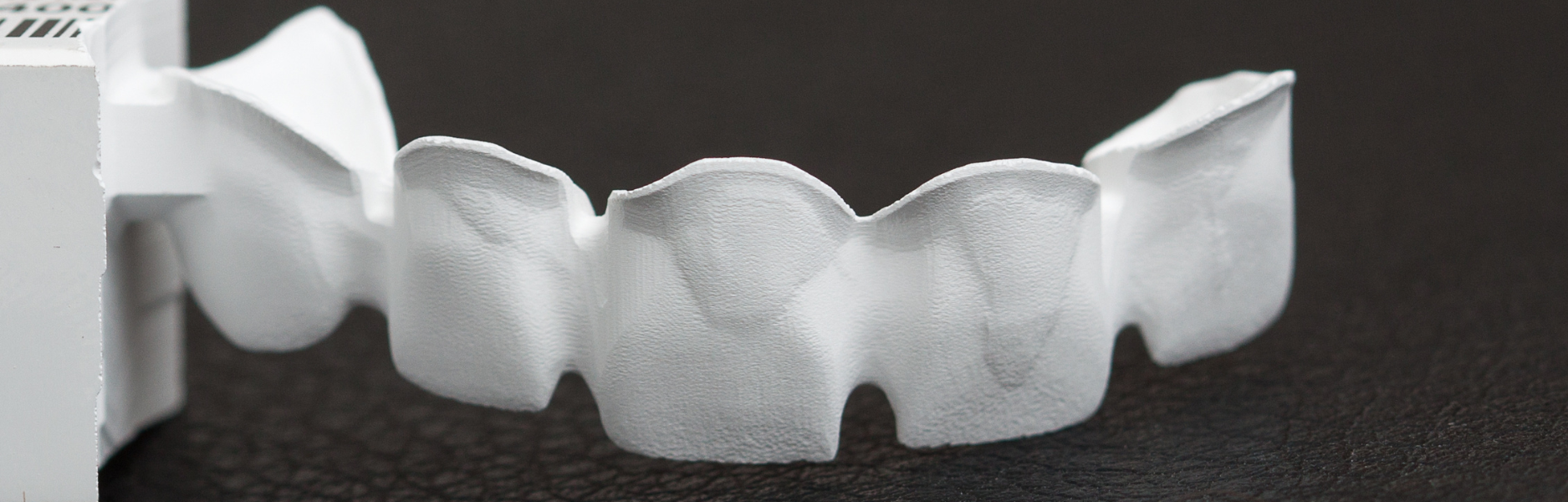
Zirconia Vs PFM : ANever Ending Tug of War!
Zirconia, or zirconium oxide, is a ceramic material that is known for its strength and durability. Despite being referred to as "white gold," it doesn't contain any gold but gets the name due to its white colour and precious nature in dental applications.
The need for following metal free trend in modern dentistry:
Porcelain-fused-to-metal (PFM) crowns are gradually becoming less popular due to advancements in all-ceramic crowns. All-ceramic options offer improved aesthetics, biocompatibility, and eliminate the risk of metal showing through the restoration. Additionally, all-ceramic crowns exhibit better translucency, making them blend more seamlessly with natural teeth. The shift towards all-ceramic crowns is driven by a desire for enhanced cosmetic results and the avoidance of potential metal-related issues, such as allergic reactions and gingival discolouration commonly associated with PFMs.
The move away from porcelain-fused-to-metal (PFM) crowns also stems from concerns about the wear and tear on opposing teeth. All-ceramic crowns are often considered gentler on the enamel of adjacent teeth, reducing the risk of abrasive damage over time.
Moreover, advancements in materials and manufacturing processes have led to increased strength and durability in all-ceramic crowns, addressing previous concerns about their resilience compared to PFMs. Patients and dentists are increasingly valuing the combination of aesthetic appeal and structural integrity offered by all-ceramic options, contributing to the diminishing popularity of PFM crowns in modern dentistry.
The reason behind the popularity of zirconia:
Zirconia crowns are highly regarded for their aesthetic qualities. The material's natural-looking appearance makes it a preferred choice for individuals seeking a dental restoration that closely resembles their natural teeth.
The ability of zirconia crowns to provide natural-looking artificial teeth is a significant factor in their recommendation. This can be particularly important for restorations in visible areas of the mouth.
The fact that zirconia is opaque to X-rays is a practical advantage in dental diagnostics. It allows for clear imaging during X-ray procedures, aiding in accurate diagnosis and treatment planning.
Zirconia is known for its high strength and resistance to wear. Zirconia crowns can withstand the forces of biting and chewing, providing a durable and long-lasting solution for dental restorations.
Zirconia is generally considered biocompatible, meaning it is well-tolerated by the body. This is crucial for dental applications to ensure that the material does not cause adverse reactions in the oral environment.
Zirconia crowns often require less tooth reduction compared to some other types of crowns. This factor contributes to the preservation of natural tooth structure, which is an important consideration in dental procedures.
It's important to note that while zirconia crowns have many advantages, the choice of a dental restoration depends on various factors, including the specific needs of the patient, the location of the restoration, and the dentist's recommendation based on the individual case.
The comparison between zirconia and PFM (Porcelain-Fused-to-Metal) refers to two different types of dental restorations commonly used in dentistry. Let's break down the differences:
Zirconia:
1. Material:
Composition: Zirconia restorations are made from a type of ceramic called zirconium dioxide.
Color: Zirconia is typically white or tooth-colored, which can be aesthetically pleasing.
2. Strength:
Strength: Zirconia is known for its high strength and durability, making it a popular choice for dental crowns and bridges.
Fracture Resistance: Zirconia is less prone to chipping or fracturing compared to some traditional materials.
3. Aesthetics:
Translucency: Zirconia has good translucency, providing a more natural appearance that can mimic the look of natural teeth.
4. Biocompatibility:
Biocompatibility: Zirconia is generally considered biocompatible, meaning it is well-tolerated by the body.
PFM (Porcelain-Fused-to-Metal):
1. Material:
Composition: PFM restorations combine a metal substructure (often made of alloys like nickel-chromium or gold) with a layer of porcelain fused to the metal.
2. Strength:
Strength: The metal substructure provides strength, but the porcelain layer may be prone to chipping over time.
3. Aesthetics:
Aesthetics: PFMs can provide a natural appearance, especially when compared to full metal restorations, but they may not be as aesthetically pleasing as zirconia due to potential issues with porcelain chipping.
4. Biocompatibility:
Biocompatibility: The metal substructure may raise concerns for some individuals regarding potential metal allergies or sensitivities.
Considerations:
1. Aesthetics vs. Strength:
Zirconia is often chosen for its excellent strength and aesthetics. It's a good choice for restorations in visible areas of the mouth. Some specific types of zirconia are often considered to be comparable to metal in the perspective of strength and durability. Traditional ceramic crowns were considered to be brittle leading to porcelain chip off after few years of usage. Zirconia crowns have the advantage of presenting with no such complains as it is made with single composition of material.
2. Tooth Conservation:
Earlier, PFM crowns required sufficient amount of tooth reduction for gaining it’s material strength. If not, it would lead to unnecessary bulky crowns which were unaesthetic and also, difficult to clean. Such crowns not only are deficient to meet the esthetic requirement of patient, but also cause other periodontal problems due to it’s poor hygiene.
On the other hand, Zirconia restorations may require less tooth reduction compared to PFMs, promoting tooth conservation. For both vital and root canal treated tooth, this factor provides extreme importance when it comes to really “saving a tooth”.
3. Cost:
On an economic perspective, pfm crowns have proven to be much cheaper than zirconia ones. But such materials but come with a warranty. Material quality and guarantee in solely responsible on the lab personnel and manufacturing. Zirconia restorations can sometimes be more expensive than PFMs due to the material costs and manufacturing processes. Yet, they come with a sufficient year of warranty which is quite satisfying from the patient’s point of view.
4. Individual Preferences:
The choice between zirconia and PFM may depend on individual patient preferences, the location of the restoration, and the dentist's recommendation based on the specific case.
There are circumstances where a PFM crown would be preferred over a zirconia crown; specifically, when the area has limited vertical space. For cases that indicate a bridge with long spans in an area with limited vertical space, a PFM is recommended. If a bridge connector has a small volume, the metal substructure of a PFM will be more durable in compact areas.
Yet, in cases where clinical crown height of the tooth in question is way less, zirconia canachieve reliable result as much reductions isn’t needed.
Zirconia crowns comes with various translucencies (e.g. high, medium, low) which can be used in accordance with case based needs.
In recent years, zirconia has become increasingly popular due to its combination of strength and aesthetics. However, the choice between zirconia and PFM should be made on a case-by-case basis, considering factors such as the patient's oral health, aesthetic preferences, and budget. Additionally, advancements in dental technology may continue to influence the choice between these materials. It's always best to consult with a dentist for personalized advice based on individual dental needs.
