
Children's Dentistry at Realtooth
Healthy Baby Teeth Today. Healthier Permanent Teeth Tomorrow.
Children's dentistry is not only about treating cavities. A child's early dental years influence chewing, speech, jaw growth, and confidence.
A child's early dental years influence:
At Realtooth, we believe children's dentistry should begin before pain starts.
Our approach is built around: Prevention → Early Detection → Child-Friendly Treatment → Parent Education → Growth Monitoring → Long-Term Dental Care
Milk teeth are temporary. Their role in a child's future dental development is not.
What Does Realtooth Children's Dentistry Include?
Depending on your child's age and specific needs, our comprehensive paediatric dental services focus on both prevention and specialized gentle care.
Depending on age and need, our services may include:
Why Are Baby Teeth Important?
Parents sometimes assume that milk teeth do not require much treatment because they will eventually fall out. But primary teeth play several vital roles in long-term development.
Primary teeth help children:
Premature loss of a baby tooth can affect how neighbouring teeth move and how future permanent teeth erupt. What happens to a baby tooth influences the permanent smile developing underneath.
The Realtooth Philosophy for Children's Dentistry
Our paediatric dental approach is built upon five foundational principles to ensure positive, proactive, and effective dental care.
Our 5 Core Principles:
The best childhood dentistry is often the treatment that becomes unnecessary because disease was prevented early.
When Should My Child Visit the Dentist?
Dental visits should ideally begin early rather than waiting for a toothache. The first visit should be simple, positive, and educational.
An early visit helps parents understand:
- Proper brushing techniques
- Dietary & nutritional guidance
- Fluoride use where appropriate
- Early cavity risk assessment
- Tooth eruption timelines
- Oral habits & dental trauma prevention
A child's first visit may include:
- Meeting the friendly dental team
- Getting familiar with the dental chair
- A gentle oral examination & tooth-counting
- Discussion & guidance with parents
- Early orthodontic & growth evaluation
Note: The aim is to help the child understand that a dental clinic is a comfortable place for health care—not only for injections and pain.
Realtooth USP: Prevention-Focused Children's Dentistry
Children often develop dental disease because problems remain unnoticed until pain appears. Our preventive approach aims to identify and address early signs before they progress.
Detect Early
Identify early cavities, poor brushing areas, high sugar exposure, plaque, eruption problems, gum inflammation, oral habits, and alignment concerns.
Educate Parent & Child
Guide families on proper oral hygiene techniques and dietary habits.
Prevent Progression
Implement preventive measures to protect enamel and stop disease advancement.
Treat Conservatively
Apply minimal-intervention treatments only when required to retain tooth strength.
Monitor Growth
Regularly track jaw development and eruption of permanent teeth.
The best filling is often the cavity we manage to prevent.
Dental Cavities & Warning Signs
Cavities can develop quickly in children's teeth. Early cavities may not hurt—by the time pain appears, the cavity may already be deeper and require extensive treatment.
Common Risk Factors
Several daily habits and factors contribute to rapid cavity development in primary teeth:
-
Frequent sugary snacks
-
Sweetened drinks
-
Sleeping with milk or sweetened beverages
-
Poor brushing routine
-
Inadequate cleaning between teeth
-
Delayed dental check-ups
Early intervention protects milk teeth, preserving space for incoming adult teeth.
Signs of a Dental Problem
Consider a dental assessment immediately if your child displays any of these symptoms:
Do not wait for pain—early diagnosis makes treatments much simpler and stress-free.
Tooth-Coloured Fillings for Children
to moderate cavities in children are treated using durable, tooth-coloured restorative materials that blend seamlessly while protecting functional tooth structure.
Remove Decay
Preserve Tooth Structure
Restore Shape & Function
Prevent Disease Progression
The specific restorative material and approach depend on individual patient evaluations:
- Size & depth of the cavity
- Specific primary or permanent tooth involved
- Child's age & developmental stage
- Volume of remaining tooth structure
- Child's comfort and clinical cooperation
- Expected natural lifespan of the tooth
Root Canal for Milk Teeth
Yes, baby teeth can sometimes need pulp treatment.
If decay reaches the inner pulp, the tooth may develop:
Preserving the tooth until natural exfoliation prevents space-related problems for adult teeth.
Crowns for Children's Teeth
When a baby tooth loses significant structure, a simple filling may not suffice. A crown is recommended after:
- Extensive decay or breakdown
- Pulp therapy completion
- Large multi-surface restorations
Crown Selection Factors:
Crowns restore full chewing function and keep the tooth intact until it sheds naturally.
Space Maintainers
When a baby tooth is lost earlier than expected, neighbouring teeth may move into the space.
This can reduce the space available for the permanent tooth.
A space maintainer may be recommended in selected cases to help preserve that space.
Not every early tooth loss requires one.
- Tooth lost
- Child's age
- Permanent tooth development
- Existing alignment
- Available space
Dental Trauma in Children
Dental Trauma in Children
Children commonly injure their teeth during falls, sports, cycling, playground accidents, or collisions.
Early assessment can make an important difference in protecting and saving the affected tooth.
Dental trauma may involve:
- Chipped tooth
- Broken tooth
- Loose tooth
- Tooth displaced from position
- Tooth pushed into the gum
- Permanent tooth knocked out
- Lip or gum injury
Important: Prompt evaluation helps reduce pain and long-term complications for developing teeth.
What If a Permanent Tooth Is Knocked Out?
A knocked-out permanent tooth is a dental emergency. Contact the dental team immediately.
Treatment Depends Heavily On:
Prompt action and proper care are essential for the best outcome:
- How long the tooth has been out
- How it has been handled
- How it has been stored
- Child's age
- Root development
Early assessment and rapid response make an important difference in saving the tooth.
Key Emergency Actions
Important guidelines during a dental emergencyImportant Note on Baby Teeth
A baby tooth that has been completely knocked out is generally managed differently and should not simply be pushed back into position by a parent.
Our objective is to provide gentle and precise care to manage dental emergencies effectively.
Preventive Dental Cleaning
Children can also develop plaque and calculus.
Professional cleaning may be recommended when required to
- Remove deposits
- Improve gum health
- Reinforce brushing
- Identify difficult-to-clean areas
A cleaning appointment also gives the child an opportunity to become comfortable with routine preventive care.
Fluoride and Preventive Care
Fluoride may be recommended in selected children as part of a cavity-prevention strategy.
Preventive treatment should be personalised rather than applied automatically to every child.
The exact approach depends on:
- Child's age
- Cavity risk
- Existing decay
- Tooth development
- Other fluoride exposure
Pit and Fissure Sealants
Back teeth naturally contain grooves where food and bacteria can accumulate. In selected children, fissure sealants may be used to protect these vulnerable areas.
*Note: Sealants do not replace brushing and diet control.
Sealants may be particularly considered when:
- Permanent molars have recently erupted
- Grooves are deep
- Cavity risk is high
- Cleaning is difficult
Diet and Children's Dental Health
Frequent sugar exposure can increase cavity risk. The issue is not only how much sugar a child consumes, but also how often the teeth are exposed to it.
Examples of frequent exposure include:
- Repeated snacking
- Sweetened drinks throughout the day
- Sticky sweets
- Frequent biscuits
- Sweetened milk at bedtime
At Realtooth, parent counselling focuses on practical changes rather than unrealistic food restrictions.
Brushing for Children
Children often need parental help with brushing for longer than parents expect.
The Realtooth team can guide parents on:
- Toothbrush selection
- Toothpaste amount
- Brushing technique
- How long to supervise
- Cleaning difficult areas
- When interdental cleaning becomes useful
Thumb Sucking and Other Oral Habits
Some childhood habits may influence developing teeth and jaws if they continue for too long.
Common Oral Habits Include:
- Thumb sucking
- Finger sucking
- Prolonged pacifier use
- Lip habits
- Tongue habits
- Mouth breathing
Habit Evaluation:
Not every habit requires treatment. The dental team considers:
Mouth Breathing & Dental Development
Some children routinely breathe through their mouth. This may occur for several reasons and should be evaluated in routine checkups.
A dentist may identify signs during routine examination and recommend further evaluation when appropriate.
Mouth breathing can sometimes be associated with:
Dry mouth
Oral posture changes
Sleep-related concerns
Developing bite patterns
Early Orthodontic Assessment
Not every child needs braces early. But monitoring dental development can identify potential problems before they develop further.
Developmental Monitoring Helps Identify:
- Severe crowding
- Crossbite
- Protruding teeth
- Abnormal eruption
- Missing teeth
- Extra teeth
- Jaw growth concerns
- Space loss
Some problems are best monitored while others may benefit from early intervention.
Realtooth's orthodontic and children's dental teams coordinate the timing seamlessly.
Children's Clear Aligners and Braces
As children grow, orthodontic treatment may include:
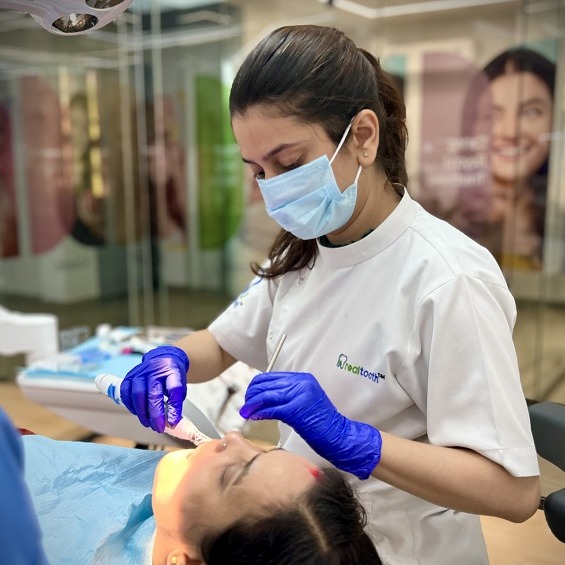
- Growth monitoring
- Early interceptive orthodontics
- Fixed braces
- Clear aligners in suitable older children or teenagers
The appliance should follow the diagnosis. Proper timing is crucial for optimal results:
- Customized treatment planning based on growth stage
- Targeted alignment during active growth phases
- Long-term stability and functional harmony
- Improved aesthetic and structural outcome
Starting orthodontics early is not always better. Starting at the right time is better.
Realtooth USP: Multispeciality Children's Dental Care
Children may occasionally need more than routine dental treatment.
Coordinated Dental Services:
Comprehensive care tailored for young patients-
Paediatric Dental Care
-
Orthodontics
-
Root Canal Treatment
-
Oral Surgery & Dental Trauma Care
-
Restorative Dentistry
Why Integrated Care Matters:
Protecting ongoing dental growth-
Interdisciplinary Coordination
-
Future Tooth Development Protection
-
Early Detection of Structural Issues
-
Comprehensive Trauma Management
-
Consistent & Friendly Care Environment
This multi-speciality approach is especially helpful when complex dental problems affect future tooth development.
Digital Dental Records for Growing Children
A child's mouth changes continuously. Digital records help create a reliable baseline for future comparison, including:
These records allow accurate monitoring of tooth eruption, alignment, available space, dental development, and previous treatment.
For Growing Smiles: A growing child needs a growing dental record.
Dental X-Rays for Children
X-rays are not automatically required at every visit. Imaging is strictly recommended based on clinical necessity.
When X-Rays Are Recommended
Key information needed for proper diagnosis-
Cavities Between Teeth Detecting decay not visible during visual inspection.
-
Tooth Roots & Infection Evaluating underlying root structures and health.
-
Permanent Tooth Development Checking permanent teeth developing under gums.
-
Impacted, Missing, or Extra Teeth Assessing structural anomalies and dental trauma.
Clinical Evaluation Factors
Ensuring minimal & focused exposureThe type and timing of imaging should always be based strictly on clinical need.
Managing Children's Dental Anxiety
Some children are naturally nervous about dental treatment. Understanding causes and building trust gradual is key to comfortable visits.
Common Sources of Dental Fear:
- Previous painful experience
- Frightening stories from others
- General medical anxiety
- Unfamiliar sounds and equipment
- Parental anxiety or worry
How Realtooth Builds Cooperation:
- Simple, child-friendly explanations
- Age-appropriate communication
- Positive reinforcement and encouragement
- Short introductory visits where useful
- Avoiding unnecessary frightening language
Trust is part of treatment.
Preparing Your Child for a Dental Visit
Parents can help by:
Simple language works best:
“The dentist is going to count and check your teeth.”
rather than:
“Don't worry, it won't hurt.”
Emergency Dental Care for Children
Contact the Realtooth team if your child experiences:
Children's Dental Check-Up Before School
A routine dental check-up before or during the school year can help identify:
Early treatment can reduce the likelihood of dental emergencies interrupting:
● School ● Examinations ● Sports ● Travel
Sports Dentistry for Children
Children involved in sports may benefit from dental trauma prevention.
For selected contact or impact sports, a custom-made sports mouthguard can help protect:
This may be particularly relevant for children participating in:
● Basketball ● Football ● Martial arts ● Hockey ● Skating ● Other impact-prone activities
Frequently Asked Questions
What Do Dental Hygiene Services Cost?
Cost depends on the type and extent of hygiene care required.
Hygiene Treatment Cost May Depend On:
- Type of hygiene service required
- Extent of plaque and calculus buildup
- Overall health of gums and tissues
- Presence of deep periodontal pockets
- Specialized care for implants or crowns
- Presence of braces or orthodontic appliances
- Frequency of maintenance visits
- Need for additional therapeutic cleaning
Every clinical situation requires a customized approach based on individual diagnostic and hygiene needs.
A personalised recommendation can be made after assessing your teeth and gums.
Hygiene Services at Realtooth
₹ 1,000 onwards
₹ 1,500 onwards
₹ 2,000 onwards
₹ 1,000 onwards
Don't Wait Until Your Gums Hurt
Healthy gums rarely demand attention. That is exactly why preventive maintenance matters.
Regular hygiene care can help protect:
At Realtooth, our objective is not simply to give you cleaner teeth for one day. We want to help you keep your mouth healthier for years.