Teeth Whitening at Realtooth
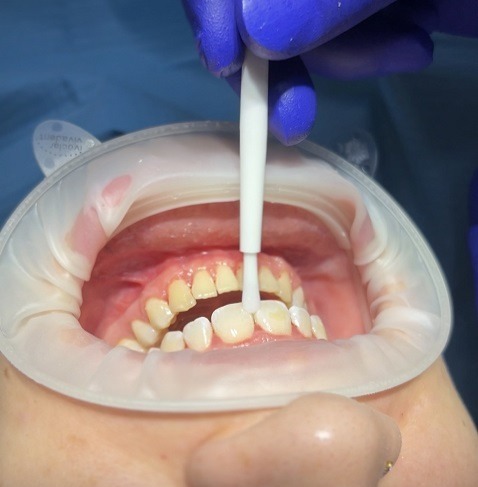
A Brighter Smile, Planned Safely
Teeth naturally become darker or stained over time because of food, beverages, smoking, ageing, medications and changes within the tooth structure. Professional teeth whitening can help improve the brightness of your smile—but whitening should not simply mean making teeth “as white as possible.”
At Realtooth, we first evaluate why your teeth have changed colour, whether whitening is suitable for you, and what level of improvement can realistically be achieved without unnecessarily compromising dental health.
Is Teeth Whitening Right for You?
Professional teeth whitening may be suitable if:
- Your teeth have become yellow or dull over time.
- Tea, coffee, tobacco or food stains have affected your smile.
- You want a brighter smile before a wedding, event or important occasion.
- You feel your teeth look darker despite regular cleaning.
- You want to improve your smile without changing the natural shape of your teeth.
- You are considering cosmetic dentistry but want to begin with a conservative option. Not every type of discolouration responds equally to whitening. This is why assessment comes before treatment
Why Have My Teeth Become Yellow or Dark?
Tooth colour can change for several reasons.
External Staining
Tea, coffee, tobacco, coloured foods and certain lifestyle habits can gradually stain the outer tooth surface.
Natural Ageing
As we age, enamel characteristics change and the underlying tooth structure may become more visible, making teeth appear darker.
Internal Discolouration
Previous trauma, certain medications, developmental conditions or changes inside an individual tooth can cause deeper discolouration.
Existing Dental Restorations
Crowns, veneers, fillings and bridges do not whiten in the same way as natural teeth.
At Realtooth, cosmetic treatment starts with diagnosis
Tooth and Gum Examination
Evaluation of Existing Cavities
Gum-Health Assessment
Identification of Sensitivity
Examination of Old Fillings, Crowns or Veneers
Smile Photographs
Evaluation of Staining Type and Degree
Discussion About Desired Tooth Shade
If required, dental cleaning or treatment of existing problems may be recommended before whitening.
Healthy dentistry should come before cosmetic dentistry.
Realtooth gives Professional Teeth Whitening Options
The most appropriate approach depends on your teeth, expectations and clinical condition.
In-Clinic Teeth Whitening
Professional whitening is carried out under controlled clinical supervision.
It may be preferred by patients who want:
- Faster visible improvement
- Professional supervision
- Controlled application of whitening materials
- Treatment before an upcoming event
Dentist-Supervised Home Whitening
In selected patients, customised trays and professional whitening protocols may be recommended for use at home.
Combination Whitening
Some patients may benefit from combining professional in-clinic whitening with a supervised home-maintenance programme.
Cleaning and Whitening Are Not the Same
Patients often ask whether dental cleaning will make their teeth white.
- Plaque
- Calculus
- Some surface stains
Sometimes a professional cleaning is recommended before whitening so that the actual tooth shade can be assessed correctly.
How White Can My Teeth Become?
The result varies from person to person Factors include :
- Your natural tooth colour
- Type of staining
- Age
- Enamel characteristics
- Previous dental treatment
- Existing crowns or fillings
- Lifestyle habits
At Realtooth, our objective is not an artificial-looking “maximum white.”
Our aim is:
A brighter smile that still looks natural, healthy and appropriate for you.
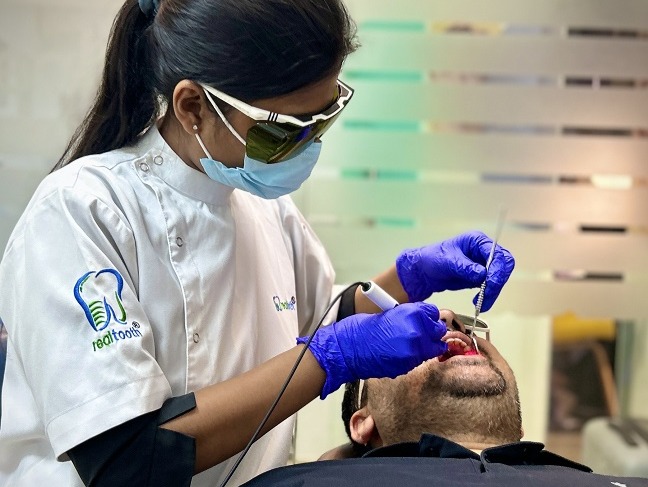
Will Teeth Whitening Cause Sensitivity?
Temporary tooth sensitivity can occur in some patients during or after whitening.
Before treatment, our dentists assess:
- Existing sensitivity
- Gum recession
- Exposed root surfaces
- Cracks or cavities
- Previous dental problems
Your whitening protocol can then be adjusted according to your clinical condition.
If you already have significant tooth sensitivity, mention this during your consultation.
Does Whitening Damage Teeth?
Professional whitening should be appropriately selected and clinically supervised.
- Used without proper diagnosis
- Used excessively
- Applied too frequently
- Used in patients with untreated dental problems
- Obtained from unreliable or inappropriate sources
Problems are more likely when whitening products are:
This is one reason Realtooth recommends dentist‑supervised whitening rather than chasing increasingly aggressive whitening products.
The Realtooth Approach to Teeth Whitening
Our whitening philosophy follows a simple pathway:
Understand Your Concern
Discussing your concerns about tooth colour and what you would like to improve about your smile.
Assess Teeth and Gums
Checking the condition of your teeth and gums to ensure whitening is appropriate and safe for your smile.
Identify the Cause of Discolouration
Assessing whether the discolouration is related to surface stains, natural tooth shade, ageing, or other factors.
Record Your Current Tooth Shade
Recording the existing tooth shade to help assess the change achieved after whitening.
Discuss Realistic Expectations
Explaining the likely degree of improvement and discussing what whitening can realistically achieve.
Select an Appropriate Whitening Protocol
Choosing a suitable whitening approach based on your teeth, gums, sensitivity, and individual requirements.
Evaluate the Result
Reviewing the whitening result and assessing the improvement in tooth colour and overall appearance.
Plan Maintenance When Required
Discussing maintenance and future whitening requirements based on lifestyle, staining, and individual results.
Whitening Before Smile Design
Why Professional Assessment Matters
Imagine whitening your natural teeth while an old front crown remains unchanged. The natural teeth may become lighter while the crown continues to appear darker. Similarly, whitening may not be the correct treatment for:
- Severely internally discoloured teeth
- Certain developmental stains
- Individual dark teeth after trauma or root canal treatment
- Existing crowns or veneers
- Significant enamel abnormalities
In such situations, the Realtooth team can discuss alternative options rather than repeatedly attempting whitening.
Other Options for Discoloured Teeth
Depending on the cause, alternatives may include:
- Professional dental cleaning
- Internal bleaching of selected root canal‑treated teeth
- Cosmetic bonding
- Veneers
- Ceramic restorations
- Replacement of old discoloured restorations
- Comprehensive smile design
The objective is to choose the most conservative treatment capable of producing the required result.
How Long Does Teeth Whitening Last?
Whitening results are not permanent.
How long your smile remains brighter depends on factors such as:
- Tea and coffee consumption
- Tobacco use
- Dietary habits
- Oral hygiene
- Natural ageing
- Individual tooth characteristics
Periodic maintenance may be recommended depending on your needs.
Maintaining Your Whiter Smile
- Maintain good brushing and oral hygiene.
- Attend routine professional dental check‑ups.
- Limit excessive exposure to staining habits where practical.
- Follow the post‑whitening advice provided by your dentist.
- Avoid repeatedly using whitening products without professional guidance.
After whitening:
Teeth Whitening Before a Wedding or Special Occasion
If you are considering whitening before:
- A wedding
- Engagement
- Professional photography
- Important social event
- Major presentation
- Personal milestone
Plan the treatment in advance rather than leaving it until the last moment. This allows time to:
- Evaluate your dental health
- Manage sensitivity if present
- Complete cleaning if required
- Assess the final shade
- Coordinate any additional cosmetic treatment
Why Choose Realtooth for Teeth Whitening?
Diagnosis Before Cosmetics
We evaluate whether whitening is actually the right treatment for your discolouration.
Conservative Approach
Our aim is to improve appearance while protecting natural tooth structure.
Personalised Treatment
Whitening protocols are selected according to your teeth rather than using a one‑size‑fits‑all approach.
Comprehensive Cosmetic Dentistry
If whitening alone cannot achieve your desired result, other conservative cosmetic options can be discussed.
Long‑Term Dental Perspective
We consider the health, function and appearance of your smile together.
FAQs
Most patients tolerate whitening well, although temporary sensitivity can occur in some people. Your dentist can assess your sensitivity risk before treatment.
The amount of improvement varies according to your natural tooth colour and type of staining. A specific result cannot be guaranteed for every patient.
No. Existing crowns, veneers and tooth-coloured restorations generally do not respond to whitening in the same way as natural teeth.
In many patients, professional cleaning may be recommended before whitening, particularly when plaque, calculus or surface staining is present.
Many yellow-toned natural teeth can respond well to whitening, but the result varies according to the underlying cause.
Possibly. An individual dark tooth requires assessment because the treatment may differ from conventional full-mouth whitening.
It may still be possible in selected cases, but the cause and severity of sensitivity should be assessed first.
Whitening should not be repeated unnecessarily. Your dentist can advise when maintenance is appropriate.
No. Whitening primarily changes tooth colour. Smile makeovers may also involve tooth shape, position, proportions, gums, alignment or restorations.
Sometimes yes. Whitening natural teeth before cosmetic restorations can help establish the shade around which the restorations are planned.
How Much Does Teeth Whitening Cost?
The cost can depend on:
- Type of whitening protocol
- Number and condition of teeth
- Whether professional cleaning is required
- Whether customised home trays are included
- Whether additional cosmetic treatment is necessary
Final treatment and cost are advised after clinical assessment.
Thinking About a Brighter Smile?
You don't necessarily need extensive cosmetic dentistry to improve your smile.
Sometimes a carefully planned whitening procedure can make a meaningful difference while preserving your natural teeth.
Start With a Smile Assessment
Let our dental team evaluate:
Your dental health + type of staining + current shade + expectations + suitable treatment options.