Dental Bridges Lucknow
Replace Missing Teeth. Restore Your Bite. Rebuild the Smile Thoughtfully.
A missing tooth affects more than appearance.
Over time, the surrounding teeth may move, chewing can become
less efficient, the bite may change, and the load on the
remaining teeth can increase.
A dental bridge is one option for replacing one or more
missing teeth by using neighbouring teeth or implants for support.
At Realtooth, we do not begin with the question:
“Which bridge should we make?”
We begin with:
“What is the most appropriate way to replace this missing tooth while protecting the rest of your mouth?”
That decision may involve a bridge, dental implant, removable prosthesis—or sometimes another treatment altogether.
What Is a Dental Bridge?
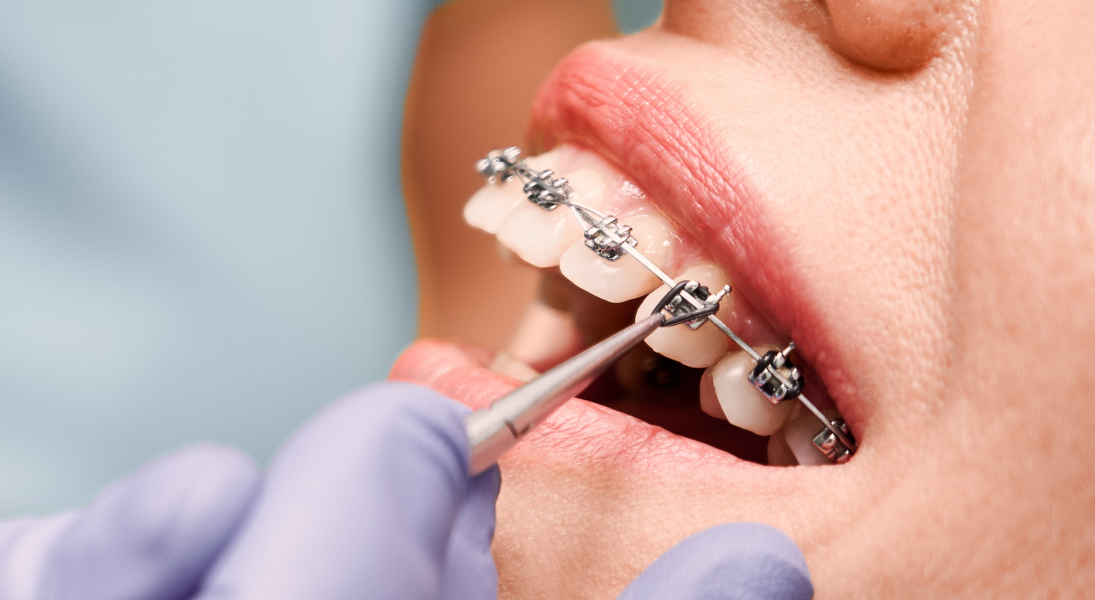
A dental bridge is a fixed dental restoration used to replace
one or more missing teeth.
Traditionally, the artificial tooth is supported by crowns
placed on neighbouring teeth.
Depending upon the clinical situation, a bridge may also be
supported by dental implants.
A well-planned bridge should aim to restore:
A bridge should not simply “fill the gap.”
It should become part of a properly planned bite.
When Might a Dental Bridge Be Considered?
A bridge may be an option if your clinical situation meets one or more of the following conditions.
Missing Teeth
One or more teeth are missing and a fixed replacement is being considered.
Adjacent Teeth Need Crowns
Neighbouring teeth already require crowns and may provide support for a bridge.
Implant Not Suitable
An implant may not be suitable or may not be the preferred treatment option.
Bone or Medical Considerations
Bone or medical conditions may make implant treatment more complex.
Preference for Fixed Replacement
A patient wants a fixed replacement rather than a removable denture.
Existing Bridge Has Failed
An existing bridge has failed and requires careful reassessment.
Tooth Loss Following Damage
Teeth may have been lost following decay, fracture, gum disease or trauma.
Missing Tooth: Bridge or Implant?
This is one of the most common questions patients ask.
Neither option is automatically better in every situation.
A Dental Bridge May Be Considered When:
Adjacent teeth already have large restorations or crowns
Implant surgery is not appropriate
The patient does not want surgical treatment
Clinical circumstances favour a conventional bridge
Treatment needs to be completed within a particular clinical timeframe
A Dental Implant May Be Considered When:
Neighbouring teeth are healthy and should preferably remain untouched
There is adequate bone and suitable medical health
An independent tooth replacement is desirable
Long-term implant-supported rehabilitation is clinically appropriate
At Realtooth, we explain the advantages, limitations and long-term implications of both options before recommending treatment.
The objective is not to sell a bridge or an implant. The objective is to select the solution that makes the most sense for the patient.
Why Replacing a Missing Tooth Matters
Depending upon its position, an untreated space can contribute to:
Does Every Missing Tooth Need Immediate Replacement?
Not every missing tooth requires immediate replacement, but it should be evaluated as part of the complete dental condition.
A professional assessment helps determine the most appropriate approach.
Before Planning a Bridge, We Assess the Supporting Teeth
A bridge depends heavily on its foundation. Before recommending treatment, the Realtooth team may assess:
- Condition of neighbouring teeth
- Existing fillings or crowns
- Root canal status
- Gum health
- Bone support
- Remaining tooth structure
- Bite forces
- Length of the missing-tooth space
- Position of the teeth
- Patient's oral hygiene
- Medical and dental history
Digital X-rays, CBCT or other diagnostic records may be advised depending on the clinical situation.
The Realtooth Approach to Dental Bridges
A bridge depends heavily on its foundation. Before recommending treatment, the Realtooth team may assess:
Comprehensive examination
A complete dental examination helps us understand your overall oral condition.
Assessment of missing tooth/teeth
We evaluate the missing tooth area and surrounding structures before planning treatment.
Evaluation of supporting teeth and gums
The health and strength of the supporting teeth and gums are carefully assessed.
X-rays / imaging where required
Diagnostic imaging may be recommended to evaluate the teeth, roots, bone and surrounding area.
Discussion of bridge vs implant and other options
Different treatment options are discussed along with their benefits and limitations.
Digital intraoral scanning
Digital scans help create accurate records for planning the restoration.
Bite assessment
Your bite is assessed to help ensure the restoration functions comfortably.
Material and design selection
The appropriate material and restoration design are selected according to your needs.
CAD-CAM design and manufacturing
Digital technology is used to design and manufacture the restoration with precision.
Clinical evaluation of fit, contacts and bite
The restoration is checked for fit, contacts and bite before final placement.
Final placement
Once everything is satisfactory, the final restoration is carefully placed.
Maintenance and follow-up
Regular maintenance and follow-up help monitor the restoration over time.
Realtooth USP: Digital Planning and In-House CAD-CAM
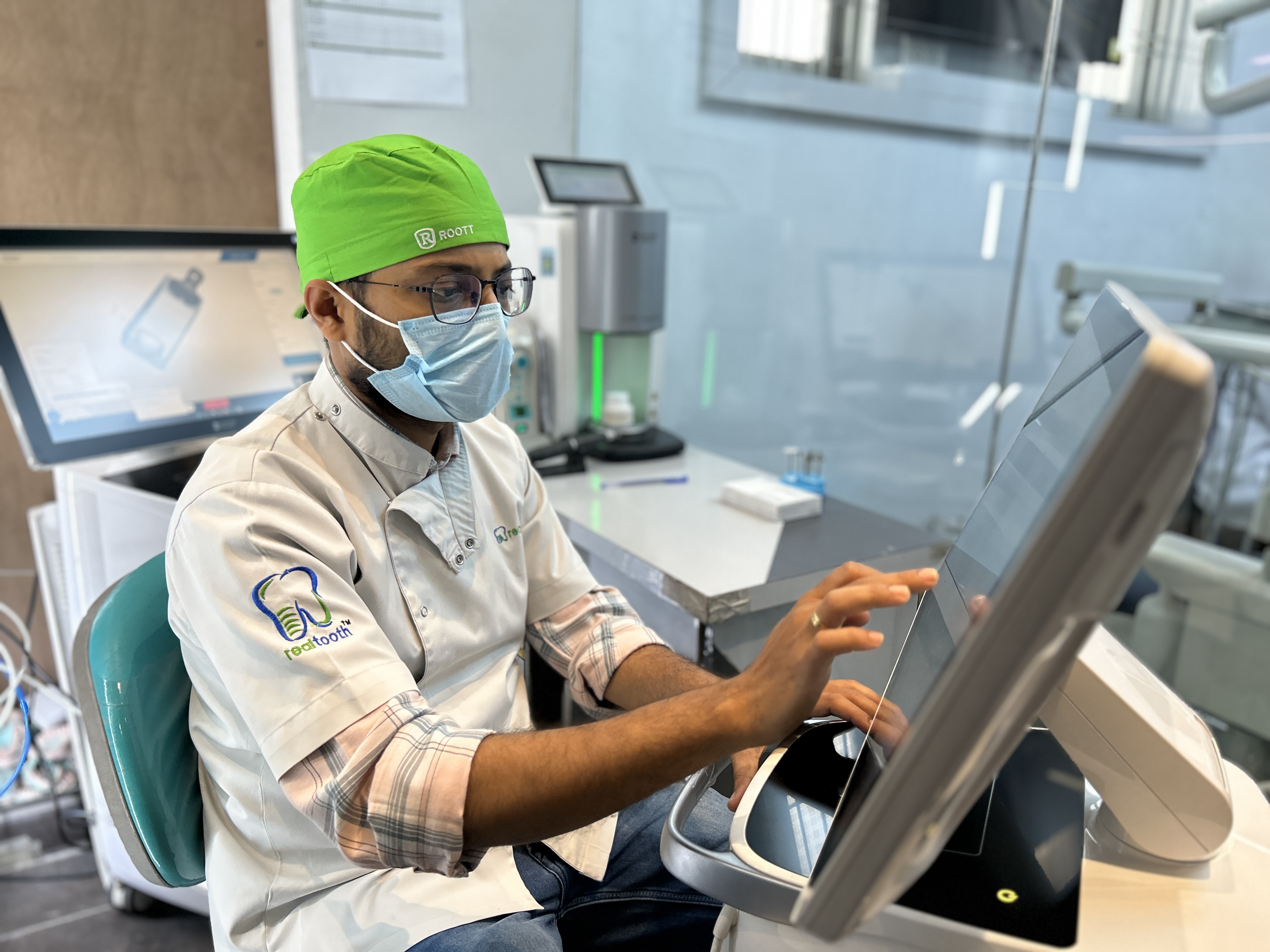
Realtooth has developed an integrated digital restorative workflow that can be used for many crown and bridge cases.
Our digital ecosystem includes advanced intraoral scanning, digital dental records, CAD-based bridge designing, in-house CAD-CAM workflow, digital bite records, precision milling technology, and seamless coordination between clinical and restorative teams.
Why does digital dentistry matter for bridges?
Digital planning allows the dental team to evaluate
- Missing-tooth space
- Neighbouring teeth
- Opposing teeth
- Bite relationship
- Contact points
- Tooth proportions
- Restorative space
This is crucial because the success of a bridge depends on more than just the appearance of the artificial tooth. Digital workflows ensure precision, efficiency, and long-term protection of your oral health.
Customised Bridge Design
Every mouth is different.
At Realtooth, bridge design is planned according to:
- Number of teeth being replaced
- Position in the mouth
- Strength of supporting teeth
- Bite forces
- Available space
- Gum condition
- Aesthetic expectations
- Oral hygiene requirements
- Material selected
The same bridge design should not automatically be used for every patient.
Customisation means designing the restoration around the patient's biology and function—not merely choosing a material.
Types of Dental Bridges
The type of bridge recommended depends upon the clinical situation.
Conventional Tooth-Supported Bridge
This commonly involves preparing teeth on either side of the missing space and connecting them to the replacement tooth.
It can be a predictable solution in appropriately selected cases.
Cantilever Bridge
In selected situations, a replacement tooth may be supported from one side.
Because forces become particularly important in this design, it is suitable only for specific clinical indications.
Adhesive / Resin-Bonded Bridge
A more conservative bridge may sometimes be used in selected cases, particularly for certain missing front teeth.
It usually requires less alteration of the supporting teeth than a conventional bridge but is not appropriate for every bite or location.
Implant-Supported Bridge
When several teeth are missing, dental implants may sometimes support a fixed bridge.
This can allow multiple missing teeth to be replaced without requiring one implant for every individual tooth in selected situations.
The exact design depends on:
- Bone availability
- Implant position
- Bite
- Number of missing teeth
- Prosthetic requirements
Tooth-Supported Bridge vs Implant-Supported Bridge
Tooth-Supported Bridge
The restoration obtains support from natural teeth.
Planning therefore depends heavily on the health and strength of those teeth.
Implant-Supported Bridge
The restoration obtains support from implants placed in the jawbone.
This may be useful when several adjacent teeth are missing or during more extensive rehabilitation.
Realtooth's implant, restorative and digital teams can work together when implant-supported rehabilitation is required.
Which Material Is Best for a Dental Bridge?
There is no universally best bridge material.
Material Options
Materials may include modern zirconia, ceramic-based systems or other restorative options depending on the clinical indication.
Zirconia Bridges & Bridge Fit Matters
Zirconia Bridges
Zirconia is commonly used in modern restorative dentistry because it can offer:
- High strength
- Good fracture resistance
- Biocompatibility
- Durability
- Good aesthetics
- Digital CAD-CAM compatibility
At Realtooth, zirconia bridges can be digitally designed according to the clinical situation rather than selected simply because “zirconia is stronger.”
Outcome depends on: Good foundation + appropriate design + suitable material + accurate fit + correct bite + proper maintenance.
Bridge Fit Matters
A bridge connects multiple teeth, which means small inaccuracies can affect more than one area.
Proper fit helps support:
- Comfortable chewing
- Healthy gum margins
- Appropriate contact between teeth
- Easier cleaning
- Bite stability
Poorly fitting bridges may contribute to:
- Food trapping
- Gum inflammation
- Decay around supporting teeth
- Bad smell
- Discomfort
- Loosening
- Fracture
- Recurrent dental problems
This is why Realtooth places importance on diagnosis, digital records, design and clinical verification.
Bite Is Critical in Bridge Treatment
A bridge may look excellent but can still develop problems if forces are distributed incorrectly.
Excessive forces can contribute to:
- Bridge fracture
- Supporting-tooth pain
- Crown loosening
- Tooth fracture
- Ceramic chipping
- Implant overload
- Repeated failure
Before finalising a bridge, the dental team evaluates how it contacts the opposite teeth during function. A bridge should restore the missing tooth without creating a new problem elsewhere.
Gum Health Around Dental Bridges
Bridge treatment should consider the gums from the beginning.
The dental team evaluates:
- Gum health around supporting teeth
- Cleaning access beneath the artificial tooth
- Shape of the replacement tooth
- Position of crown margins
- Existing gum disease
In patients with active gum disease, periodontal treatment may be required before definitive bridge treatment.
Healthy supporting tissues are essential for long-term success.
How Do You Clean Under a Dental Bridge?
Unlike individual natural teeth, the connected portion of a bridge requires additional cleaning techniques.
Realtooth provides bridge-specific hygiene instructions because a fixed bridge still requires daily maintenance underneath it.
What If the Supporting Tooth Has Had a Root Canal?
A root canal-treated tooth can sometimes support a bridge, but its structural condition must be assessed carefully.
The dentist may evaluate:
- Quality of previous root canal treatment
- Remaining tooth structure
- Existing post or core
- Root condition
- Gum and bone support
- Bite load
If the foundation is questionable, the long-term bridge plan may need modification.
Replacing an Old or Failed Bridge
Assess if you experience:
- Food getting trapped
- Bad smell
- Bleeding gums
- Pain while biting
- Bridge movement
- Chipping or fracture
- Dark margins
- Poor appearance
- Repeated swelling
- Sensitivity
- Difficulty cleaning
Possible causes include:
- Decay beneath supporting crowns
- Failed root canal
- Gum disease
- Weak supporting teeth
- Poor fit
- Fracture
- Excessive bite forces
- Inadequate cleaning
Replacing a failed bridge without understanding the cause can simply repeat the same problem.
When a Bridge May Not Be the Best Option
- Supporting teeth are weak
- Significant gum disease
- Poor bone support
- Missing space too long
- Excessive bite forces
- Healthy teeth need unnecessary prep
In such cases, Realtooth may discuss implant-supported or other restorative solutions.
Front-Tooth Bridges and Smile Aesthetics
Replacing a missing front tooth requires particular attention to multiple aesthetic and functional factors.
- Tooth shape
- Tooth length
- Shade
- Translucency
- Gum position
- Symmetry
- Smile line
- Adjacent teeth
- Lip position
- Gum–tooth junction aesthetics
Digital smile planning and restorative design may be incorporated in selected cases.
The objective is not simply to make the replacement tooth white — it is to help it integrate naturally into the smile.
Dental Bridges as Part of Full-Mouth Rehabilitation
In patients with multiple dental problems, a bridge should not be planned independently.
Realtooth's multispeciality structure allows such cases to be assessed through an integrated treatment plan.
One tooth may be missing, but the treatment decision belongs to the whole mouth.
The Realtooth Difference
We don’t just mask symptoms—we address root causes with a multi-disciplinary, ethical approach.
We Compare All Appropriate Options
We evaluate whether a bridge, implant or another treatment is most suitable rather than assuming every missing tooth needs the same solution.
Diagnosis Before Restoration
Supporting teeth, gums, bone and bite are evaluated before a bridge is planned.
Advanced Digital Scanning
Intraoral scanning can create detailed digital records of the supporting teeth, missing space and bite.
In-House CAD-CAM Capability
Realtooth's digital dentistry infrastructure enables greater integration between scanning, design, manufacturing and clinical delivery for appropriate cases.
Customised Restorative Design
Each bridge is planned according to individual tooth anatomy, restorative space, function and aesthetic requirements.
Multispeciality Treatment Planning
Complex cases can involve collaboration between:
- Prosthodontists
- Endodontists
- Periodontists
- Implant dentists
- Oral surgeons
- General dentists
Conservative Treatment Philosophy
We do not unnecessarily prepare healthy teeth when a more conservative treatment may be appropriate.
Focus on Fit, Bite and Function
The bridge is evaluated as a functional restoration—not merely an aesthetic replacement.
Implant and Restorative Expertise
Because Realtooth provides both implant and conventional restorative dentistry, the patient can understand both options before deciding.
Long-Term Maintenance
We emphasise cleaning, gum health, bite monitoring and regular recall after the bridge is fitted.
Innovation + Empathy: Internationally trained dentists, digital records, ethical care, and a long-term, holistic focus—so your results last.
Why Choose Realtooth for Dental Bridges?
- Comprehensive Diagnosis — Understanding the condition of the entire mouth before selecting the replacement.
- Digital Dentistry — Advanced scanning, CAD-based design and digital restorative workflows.
- In-House Technology — Greater integration and control during important stages of restorative treatment.
- Multispeciality Expertise — The right clinicians can be involved when a case requires root canal, gum, implant or restorative treatment.
- Customisation — Restorations are planned around the patient's anatomy and clinical requirements.
- Material Selection Based on Need — The choice is based on function, aesthetics and longevity rather than only price or marketing terminology.
- Long-Term Perspective — We consider what happens to the supporting teeth, gums and bite after the bridge has been placed.
Frequently Asked Questions
a conventional dental bridge is fixed to the supporting teeth and is not removed by the patient.
both can be excellent treatments in the right situation. the choice depends on neighbouring teeth, bone, gum condition, medical health, bite and individual preferences.
a traditional tooth-supported bridge usually requires preparation of supporting teeth. this is why implants may sometimes be more conservative when neighbouring teeth are completely healthy.
treatment is generally performed under local anaesthesia when required. temporary sensitivity can occur in some cases.
this depends on the location, number of missing teeth, support available and bite forces. long bridges require particularly careful planning.
yes, zirconia may be suitable for many bridge cases, but material selection depends on the clinical requirements.
yes, but the condition of the supporting teeth should first be evaluated to determine why replacement is required.
yes, in selected cases. the quality of the root canal and remaining tooth structure should be evaluated first.
special floss, interdental brushes or other aids may be required. your dental team can demonstrate the appropriate technique.
modern digital and ceramic restorative dentistry can provide highly aesthetic results in appropriate cases, particularly when shape, shade, gum relationship and surrounding teeth are properly considered.
the bridge may need to be removed or replaced depending on the severity of the problem and whether the supporting tooth can be restored.
yes. in selected patients, two or more implants can support a fixed restoration replacing several missing teeth.
How Much does a Dental Bridge Cost?
the cost of bridge treatment depends on:
- Number of teeth being replaced
- Number of supporting units
- Material selected
- Condition of supporting teeth
- Whether root canal treatment is required
- Gum treatment
- Aesthetic complexity
- Digital restorative requirements
- Tooth-supported vs implant-supported design
Dental Bridge at Realtooth
₹ 15,000 onwards
personalised treatment plan and estimate are provided after clinical assessment.
Missing a Tooth? Start with the Decision, not the Procedure.
A missing tooth can often be replaced in several ways.
the important question is not: “how quickly can the gap be filled?”
it is: “which replacement will protect my remaining teeth, restore function and make sense for my long-term dental health?”
At realtooth, our team evaluates the complete situation before helping you choose.